DIY vs. Professional Help
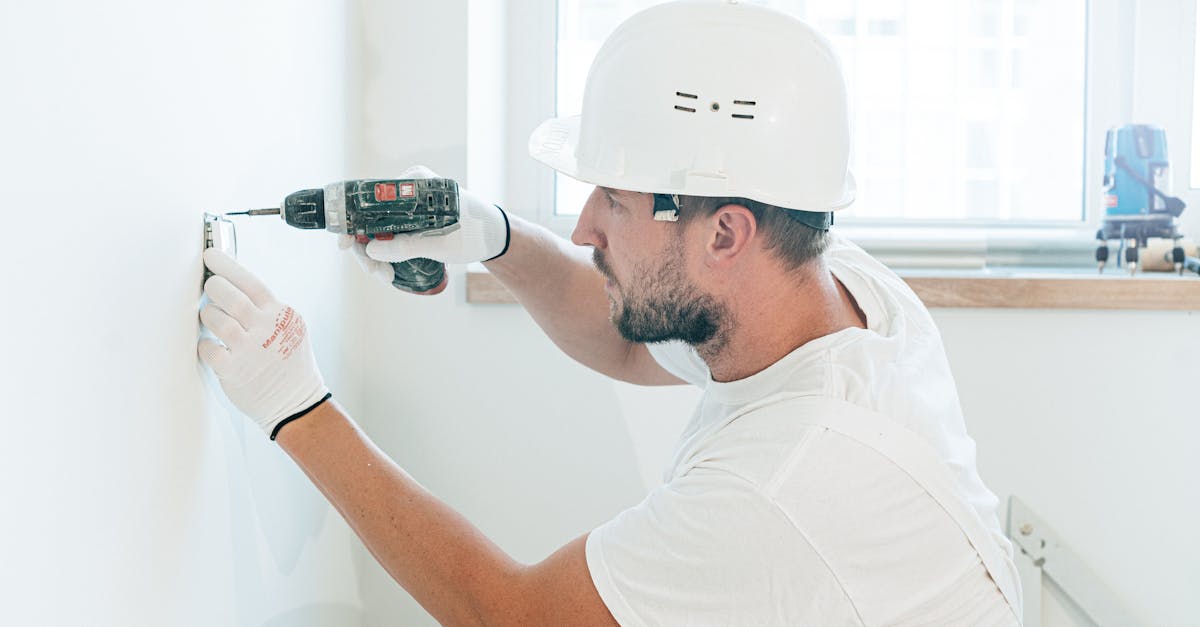
Taking the DIY approach to toilet repair or installation can save homeowners money. Many resources are available for the average person who wants to tackle a plumbing issue on their own. With a plethora of video tutorials and step-by-step guides online, it becomes easier to understand the ins and outs of the process. Basic repairs such as fixing a leak or unclogging a toilet often require minimal tools and can be completed in just a few hours.
On the other hand, hiring a professional can ensure that the job is done correctly and swiftly. Experienced plumbers possess the skills and knowledge to identify underlying issues that an untrained individual might overlook. Additionally, professional services often include warranties or guarantees on their work, which can provide peace of mind. In cities like Knoxville and Pittsburgh, the option for toilet installation and repair is plentiful, giving homeowners the chance to choose between DIY efforts and expert assistance.
Cost Implications of Each Approach
When deciding between fixing a toilet and replacing it, the cost implications vary significantly based on the approach taken. A simple repair, such as replacing a flapper valve or fixing a leak, typically incurs lower immediate expenses. However, multiple small repairs can add up over time, leading homeowners to wonder if continued patchwork is truly cost-effective. Obtaining quotes from local plumbers can provide clarity, especially for services like toilet installation and repair South Side Flats, Pittsburgh, where labor costs may differ.
On the other hand, replacing an old toilet might come with a higher upfront cost, but it can lead to long-term savings. Modern toilets are designed to use less water, potentially lowering water bills each month. When considering installation, it’s essential to factor in the price of the new toilet along with labor costs associated with removal and installation. Homeowners should weigh the upfront costs against future savings when making their decision, as investing in a new, efficient model may pay off over the years.
LongTerm Savings Considerations
Investing in a new toilet can lead to significant long-term savings. Modern toilets are engineered to use less water while maintaining efficiency. This reduction in water consumption not only lowers utility bills but also contributes to environmental conservation. Homeowners may find that the initial cost of purchasing and installing a new, efficient model is outweighed by the lower monthly expenses over time.
Repairing an old toilet may seem less expensive at first, but frequent repairs can add up. Aging fixtures often require more maintenance, which can be both time-consuming and costly. In areas like Homewood, Pittsburgh, residents should consider local labor rates and the cost of parts when calculating long-term expenses. Investing in a new toilet may provide peace of mind with lower maintenance needs and the promise of better water efficiency.
Evaluating Maintenance Over Time
Regular maintenance can greatly extend the lifespan of a toilet. Simple tasks like tightening loose bolts, resealing joints, or cleaning components can often stave off major issues. Homeowners should keep an eye on commonly problematic areas, such as the flapper valve and fill valve. Addressing small leaks or inefficiencies promptly can prevent more extensive damage and costly repairs in the future.
In areas like Central Lawrenceville, Pittsburgh, professional services like toilet installation and repair can further optimize the longevity of your unit. Trained technicians can identify underlying issues that might not be apparent to the average homeowner. Investing in professional help for maintenance tasks can save money over time by ensuring that the system operates efficiently and reducing the chances of needing a full replacement sooner than necessary.
EcoFriendly Options
Eco-friendly options for toilets are increasingly popular as homeowners look to reduce their environmental impact while saving on water bills. Low-flow toilets are a great example, using significantly less water per flush compared to traditional models. Many newer designs also incorporate dual-flush systems, allowing users to choose between a light or full flush, further conserving water. Selecting a high-efficiency toilet not only benefits the environment but can also qualify for local rebates and incentives in some areas.
When considering toilet installation and repair Duquesne Heights, Pittsburgh, exploring eco-friendly alternatives becomes essential. Modern models often emphasize sustainability and efficiency, resulting in long-term savings on water usage. Upgrading to a water-efficient toilet could potentially decrease household water consumption by 20-60 percent, translating into noticeable savings over time. Consulting with local professionals can help determine the best eco-friendly options tailored to specific needs.
Cost Benefits of Modern, Efficient Toilets
Modern toilets are designed with efficiency in mind, offering significant cost savings through decreased water usage. Many newer models utilize advanced technologies such as dual-flush systems, allowing users to select the appropriate flush depending on the waste type. These innovations reduce overall consumption, providing long-term savings on water bills. Homeowners who upgrade to water-efficient options may also benefit from potential rebates offered by municipal programs aimed at encouraging eco-conscious choices.
Investing in a modern toilet not only translates to savings on water costs but may also enhance property value. Potential buyers often appreciate energy-efficient fixtures, making a home more attractive in the real estate market. For residents in need of toilet installation and repair Esplen, Pittsburgh, hiring professionals ensures that new fixtures are properly set up, maximizing their performance. Consequently, selecting high-efficiency toilets becomes a financially savvy choice, offering both immediate and extended benefits to homeowners.
FAQS
How do I determine whether to fix or replace my toilet?
To determine whether to fix or replace your toilet, consider the age of the toilet, the extent of the damage, repair costs, and the potential for long-term savings. If repairs are minor and the toilet is relatively new, fixing it may be more cost-effective. However, if the toilet is old and repairs are extensive, replacement could be a better option.
What are the typical costs associated with fixing a toilet?
The costs associated with fixing a toilet can vary widely based on the type of repair needed. Simple fixes, like replacing a flapper or a fill valve, can cost as little as $50 to $150. More complex issues, such as repairing a leak in the tank or bowl, can cost between $150 and $300 or more, depending on labor costs and materials.
How much does it typically cost to replace a toilet?
Replacing a toilet generally costs between $200 and $600, including the price of the toilet and installation fees. Higher-end models or additional plumbing modifications can increase the total cost. It's important to factor in both the price of the new toilet and any necessary labor costs.
Are there long-term savings associated with replacing an older toilet?
Yes, replacing an older toilet with a modern, efficient model can lead to long-term savings on water bills. Newer toilets often use significantly less water per flush, which can reduce overall water usage by thousands of gallons per year, resulting in lower utility costs.
What eco-friendly options are available when replacing a toilet?
Eco-friendly options include water-saving toilets, such as dual-flush models, which allow users to choose between a full or reduced flush. Additionally, consider toilets made from sustainable materials or those that have earned certification from programs like WaterSense, which ensures they meet strict efficiency criteria.